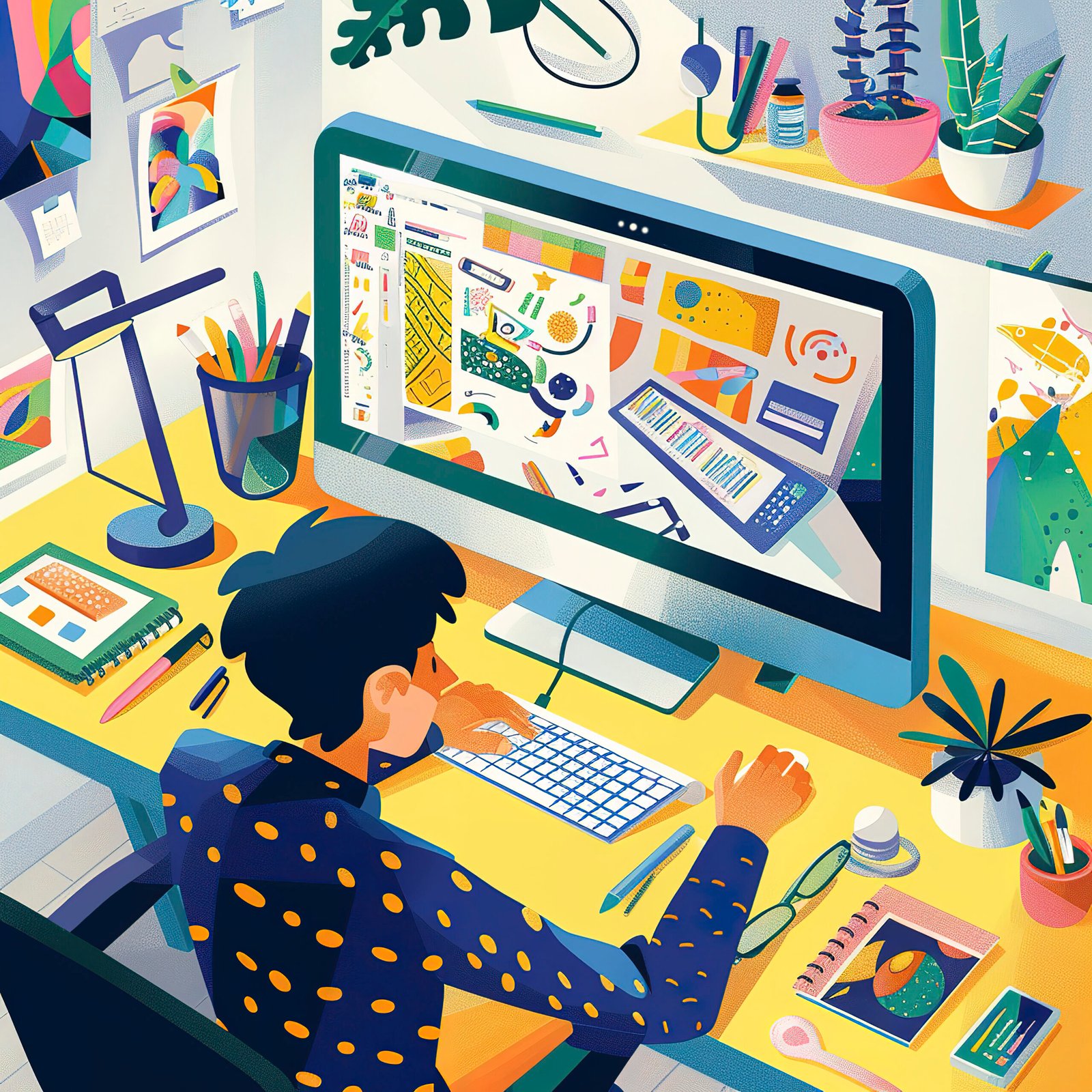
In today’s fast-paced digital world, graphic design is more than just aesthetics—it’s communication. A well-executed design captures attention, builds brand identity, and conveys a message without saying a word. Whether you’re a beginner exploring the field or a business owner hiring designers, understanding the keys to success and the pitfalls to avoid is essential.
In this blog, we’ll break down how to unlock success in graphic designing and the common mistakes that can hold you back.
Why Graphic Design Matters in 2025
Graphic design is the visual language of the digital era. From social media to websites, logos to ad creatives, graphic design is everywhere. It shapes first impressions, influences purchasing decisions, and helps brands build recognition. With the rise of short-form content, meme culture, and visual storytelling, great design has never been more important.
How to Unlock Success in Graphic Designing
🔑 1. Master the Basics
Before jumping into tools like Adobe Photoshop or Canva, understand the fundamentals:
-
Color theory – how colors influence mood and perception.
-
Typography – choosing fonts that enhance readability and style.
-
Hierarchy – guiding the viewer’s eye to the most important elements.
-
White space – using empty space effectively for clean design.
🔑 2. Learn the Right Tools
Some popular graphic design tools include:
-
Adobe Illustrator – great for vector graphics and logos.
-
Photoshop – perfect for photo editing and digital art.
-
Figma/Sketch – used for UI/UX design and prototypes.
-
Canva – beginner-friendly for quick and clean designs.
Each tool serves a purpose. Choose based on your goals—whether it’s digital marketing, branding, web design, or print media.
🔑 3. Develop a Design Process
Having a structured process helps improve consistency and quality:
-
Research & Briefing – Understand the brand, goals, and audience.
-
Sketching Ideas – Start with rough sketches or wireframes.
-
Digital Execution – Create the actual design using tools.
-
Feedback & Revision – Take input and refine the design.
-
Final Delivery – Export in the correct formats and sizes.
🔑 4. Stay Updated with Trends
Trends like 3D elements, bold typography, minimalism, retro design, and dark mode themes are shaping modern aesthetics. However, trends should complement your brand—not overpower it.
🔑 5. Build a Portfolio
Showcase your best work across different categories. A good portfolio demonstrates creativity, consistency, and versatility. For freelancers or job seekers, your portfolio is your visual resume.
Common Mistakes to Avoid in Graphic Designing
❌ 1. Ignoring Brand Guidelines
Every brand has a voice and personality. Using inconsistent fonts, colors, or styles weakens brand identity. Stick to the brand book, if available.
❌ 2. Overcomplicating the Design
Clutter kills clarity. Many beginners try to fill every space or use too many elements. Simplicity enhances communication and visual appeal.
❌ 3. Using Low-Quality Images
Pixelated or irrelevant images can ruin an otherwise great design. Always use high-resolution, royalty-free images.
❌ 4. Poor Font Choices
Using too many fonts, unreadable typography, or improper alignment can make your design look unprofessional. Limit font usage to 2–3 and maintain visual hierarchy.
❌ 5. Forgetting Mobile Optimization
Many designs today are viewed on mobile first—especially social media and websites. Ensure your design looks great across devices.
❌ 6. Not Saving in the Right Format
Choosing the wrong file format (e.g., using JPG instead of PNG for transparency) can affect quality. Know when to use JPG, PNG, SVG, or PDF.
Final Thoughts
Graphic design is a dynamic skill that blends creativity with strategy. By understanding core principles, using the right tools, and avoiding beginner mistakes, you can craft designs that not only look good—but perform well.
Whether you’re a student learning design, a freelancer looking to build a career, or a business enhancing your brand visuals, remember this: great design doesn’t just happen—it’s built step-by-step.
✅ Bonus Tips for Aspiring Designers
-
Practice by redesigning real brands or social media posts.
-
Follow top designers and studios on platforms like Behance, Dribbble, and Pinterest.
-
Collaborate with other creatives (writers, marketers, developers).
-
Take feedback positively—it’s part of the growth process.